



Landscape Architecture in the Modern World: Sustainable City Designs
#AlanyaPeyzaj #PeyzajMimarlığı #AlanyaMimarlık #SürdürülebilirPeyzaj #YeşilTasarım #PeyzajProjesi #ŞehirBahçeleri #Doğaİleİçİçe #KentselPeyzaj #AlanyaDoğa #PeyzajSanatı #ModernPeyzaj #PeyzajTasarımı #AlanyaYeşilAlanlar #Peyzajİlhamı #ÇevreDostuTasarım #AlanyaBahçe #MimarlıkvePeyzaj #KentselTasarım #AlanyaManzaraları #YeşilÇatılar #PeyzajTrendleri #DoğaylaBarışık #AlanyaProjeleri #BahçeMimarlığı #EkolojikTasarım #KentselDönüşüm #AlanyaParkları #TasarımveDoğa #SürdürülebilirŞehirler
3/23/20261 min read
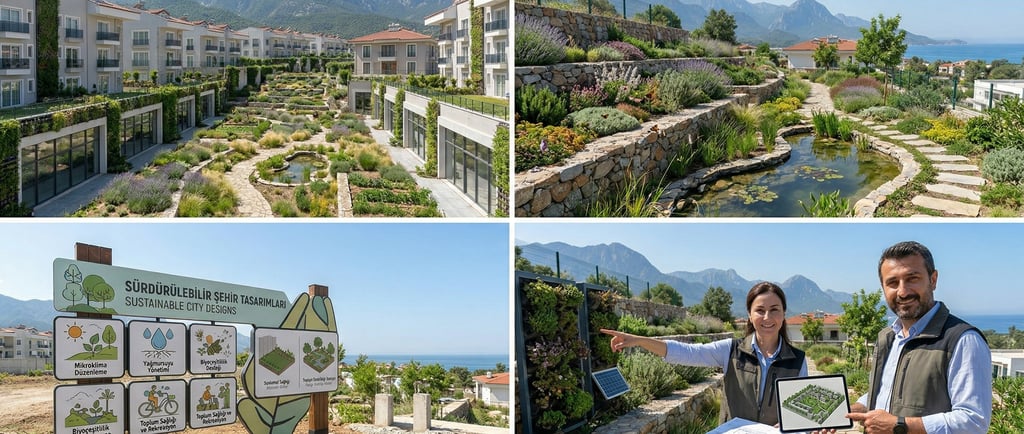
Landscape architecture is a critical discipline that balances the complexity of modern cities with the preservation of natural areas. Today, sustainability and green design principles are gaining increasing importance in the projects of landscape architects. In this article, we will look at the fundamental components of modern landscape architecture and some innovative approaches used to create successful urban landscapes.
Sustainable Elements
In modern landscape architecture, designs that support sustainability, energy efficiency, water management, and biodiversity are at the forefront. Green roofs, rain gardens, and permeable surfaces are both environmentally friendly and aesthetically appealing landscape elements. Such elements help conserve natural resources in cities while simultaneously improving the quality of life.
Green Roofs and Urban Gardens
Green roofs are areas created by adding vegetation to the roofs of buildings. These areas contribute to water management by absorbing rainwater, improve building insulation, and reduce the urban heat island effect. Urban gardens, on the other hand, create natural habitats in densely urban areas, allowing people to connect with nature.
Pedestrian-Friendly Spaces
In modern landscape design, pedestrian-friendly spaces are of paramount importance. Wide sidewalks, bike paths, and walking trails allow city dwellers to lead healthier and more active lives. At the same time, such spaces encourage social interaction and strengthen community bonds.
Balance of Natural and Artificial Elements
A successful landscape design requires a balance between natural and artificial elements. In modern cities, contemporary structures with clean lines are combined with rich vegetation to achieve this balance. This creates spaces that are both aesthetically and functionally satisfying.
In the modern world, landscape architecture plays a vital role in ensuring that cities are sustainable and livable. Innovative design approaches such as sustainable elements, green roofs, urban gardens, and pedestrian-friendly spaces help modern landscape architects establish a balance between nature and people in cities. In this context, landscape architecture will continue to be an important tool in shaping the cities of the future.
Contact
B&B Architecture | Engineering | Consulting
Address: Güllerpınarı Mahallesi Kerim Kaptanlar Sokak Sayeban Apt. 7/1-2 ALANYA/ANTALYA
© 2025. All rights reserved.
E-mail: bbmimarlikmuhendislik@gmail.com
Tel: +90 (242) 513 52 65